More than a century after the 1906 San Francisco Earthquake, the Bay Area remains one of the most seismically active regions in the country. Earthquake risk is an enduring reality – but so is the meaningful progress made by cities, engineers, and policymakers to reduce that risk and strengthen our communities.
This dinner program will explore where we are today, from vulnerable building stock and infrastructure challenges to the policies, retrofit ordinances, and preparedness systems actively improving resilience across the region. The discussion will also look ahead, highlighting priorities for the next 10–20 years and opportunities for SEAONC and the structural engineering community to continue leading impactful change.
Join us for an engaging, solutions-focused conversation about the realities we face, the progress we’ve made, and the work ahead to build a more resilient Bay Area.
Speakers:
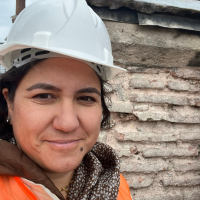 Ayse Hortacsu, Director of Projects at the Applied Technology Council
Ayse is Director of Projects at the Applied Technology Council where she has managed 50 projects on various technical issues ranging from selection and scaling of ground motions for seismic hazard analysis to the rapid visual screening of buildings for potential seismic hazards. Her work at ATC includes developing technical guidance to aid policy decisions by local and national governments, such as the preparation of the Tall Buildings Safety Strategy and supporting the Concrete Buildings Safety Program for the City and County of San Francisco. Ayse has managed the preparation and production of 60 reports by leading diverse teams resulting in award-winning publications, including FEMA P-2006, Example Application Guide for ASCE/SEI 41-13 and FEMA P-2055, Post-disaster Safety Evaluation Guidance: Report on Current State of Practice, including Recommendations Related to Structural and Nonstructural Safety and Habitability. Ayse is currently a co-chair of EERI’s Learning from Earthquakes (LFE) program, and she was the co-load for EERI LFE’s response to the 2023 Türkiye-Syria earthquakes. She has previously served as a Director for the Earthquake Engineering Research Institute (EERI) and the Structural Engineers Association of Northern California (SEAONC).
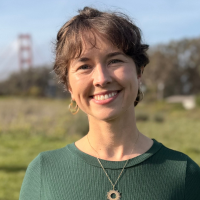 Sarah Atkinson, Senior Policy Manager at SPUR and Board President of EERI Northern California Chapter
Sarah leads SPUR’s research, advocacy, and education efforts to strengthen the Bay Area’s preparedness for climate change and earthquakes. Sarah has been on the board of EERI's Northern California Chapter since 2023 and has partnered with EERI and SEAONC on events and advocacy. In April, SPUR is publishing a report on seismic safety efforts and next steps in San Francisco. Before SPUR, she worked in environmental communications, green construction, food accessibility, and public health research in both the Bay Area and Massachusetts. Her graduate studies focused on the role of community resilience hubs, resilient housing, social cohesion, and property ownership structures in disaster recovery. Sarah holds a Master’s in City and Regional Planning and a B.A. in Environmental Sciences from UC Berkeley.
 David Ojala, Principal at Thornton Tomasetti and SEAONC Board President
David is a Principal at Thornton Tomasetti, where his Structural Engineering practice focuses around applying lessons learned from his forensic investigations and post-disaster response experience into proactive risk and resilience consulting, design, and peer review. David is heavily involved in structural disaster response and assessment activities and is a frequent speaker on matters related to natural hazard risk and performance, structural safety assessment, structural plan review, and code changes. He is a Structures Specialist with FEMA Urban Search and Rescue California Task Force 4 in Oakland and a Safety Assessment Program (SAP) Trainer, Coordinator, and Evaluator for CalOES. He is currently serving as SEAONC President and a member of SEAOC’s Resilience and Legislative Committees, and is a past-chair of the SEAONC and SEAOC Existing Building Committees and the SEAONC DES Committee.